Many people hear the word lawsuit but are unsure what it really means or how the legal process works. A lawsuit is simply a legal dispute between two or more parties that is resolved in court. Whether it involves a personal injury, contract disagreement, property issue, or another legal matter, understanding the basic steps can make the process less confusing. Lawsuitsmag provides helpful information about legal topics, making it easier for readers to understand complex legal terms and procedures. This guide explains the lawsuit process in simple words so anyone can follow along.
What Is a Lawsuit?
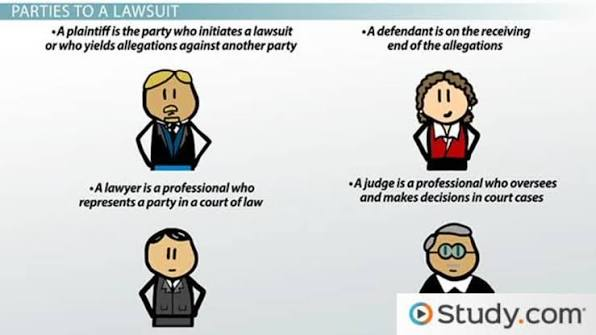
A lawsuit is a legal action started by one person or organization against another. The person bringing the case is called the plaintiff, while the person or business being sued is called the defendant.
The goal of a lawsuit is to settle a disagreement through the legal system. Sometimes the plaintiff wants money for damages. In other cases, they may ask the court to require someone to do or stop doing something.
Why Do People File Lawsuits?
People file lawsuits for many different reasons. Some of the most common include:
- Personal injury after an accident
- Breach of contract
- Property disputes
- Medical malpractice
- Employment disagreements
- Consumer protection issues
- Family-related legal matters
Each lawsuit is different, but the legal process generally follows the same basic steps.
Step 1: Filing the Complaint
The first step is filing a legal document called a complaint.
This document explains:
- Who is involved
- What happened
- Why the plaintiff believes the defendant is responsible
- What compensation or solution is being requested
The complaint is filed with the appropriate court to officially begin the lawsuit.
Step 2: Serving the Defendant
After the complaint is filed, the defendant must receive official notice of the lawsuit.
This is known as service of process.
A legal professional or authorized individual delivers the court papers to the defendant. This ensures everyone knows a lawsuit has started and has the opportunity to respond.
Step 3: The Defendant Responds
Once served, the defendant has a limited amount of time to answer the complaint.
The response may:
- Admit certain claims
- Deny the allegations
- Present legal defenses
- File claims against the plaintiff if appropriate
If the defendant does not respond within the required time, the court may issue a default judgment in favor of the plaintiff.
Step 4: Discovery
Discovery is often the longest part of a lawsuit.
During this stage, both sides gather information to support their cases. They exchange documents, ask written questions, request records, and interview witnesses.
Common discovery methods include:
- Written questions called interrogatories
- Requests for documents
- Depositions, where witnesses answer questions under oath
- Requests for admissions
Discovery helps both sides understand the evidence before trial.
Step 5: Settlement Discussions
Not every lawsuit goes to trial.
Many cases are resolved through settlement negotiations. During these discussions, both parties attempt to reach an agreement without asking a judge or jury to decide the case.
Settlements can save:
- Time
- Legal expenses
- Stress
- Court resources
If both sides agree, the lawsuit usually ends without a trial.
Step 6: Pre-Trial Motions
If no settlement is reached, attorneys may file different motions before trial.
These motions ask the judge to make decisions about legal issues, evidence, or even dismiss the case if there is not enough legal support.
The judge reviews these requests before deciding whether the case should continue to trial.
Step 7: The Trial
The trial is where both sides present their evidence in court.
A trial may involve:
- Opening statements
- Witness testimony
- Cross-examination
- Presentation of documents and evidence
- Closing arguments
Depending on the type of case, the decision may be made by a judge or a jury.
The plaintiff must prove their claims using evidence presented during the trial.
Step 8: The Verdict
After hearing all the evidence, the judge or jury reaches a decision called the verdict.
The verdict determines:
- Whether the defendant is legally responsible
- Whether compensation should be awarded
- How much money, if any, should be paid
Some lawsuits also result in court orders instead of financial compensation.
Step 9: Appeals
Sometimes one side believes legal mistakes affected the outcome.
Instead of holding a new trial immediately, they may file an appeal.
An appeals court reviews the legal decisions made during the trial to determine whether errors occurred.
The appeals court may:
- Uphold the original decision
- Reverse the decision
- Send the case back for another trial
Appeals can take several months or even years.
How Long Does a Lawsuit Take?
There is no single timeline for every lawsuit.
Some simple cases finish within a few months, while complicated lawsuits may continue for several years.
The length depends on factors such as:
- Case complexity
- Court schedules
- Amount of evidence
- Settlement negotiations
- Number of parties involved
Patience is often necessary throughout the legal process.
Why Understanding the Process Matters
Knowing how lawsuits work helps people make informed decisions when legal issues arise.
Understanding each step also reduces confusion and allows individuals to communicate more effectively with attorneys and legal professionals.
While every case is unique, the basic lawsuit process remains similar across many types of civil cases.
Final Thoughts
The lawsuit process may seem overwhelming at first, but breaking it into simple steps makes it much easier to understand. From filing the complaint to discovery, settlement talks, trial, and possible appeals, each stage has a specific purpose in helping the court reach a fair decision. Learning these basics can prepare you for what to expect if you ever become involved in a legal dispute. If you would like to continue learning about legal topics and practical court procedures, read more here through Lawsuitsmag to expand your understanding and stay informed.