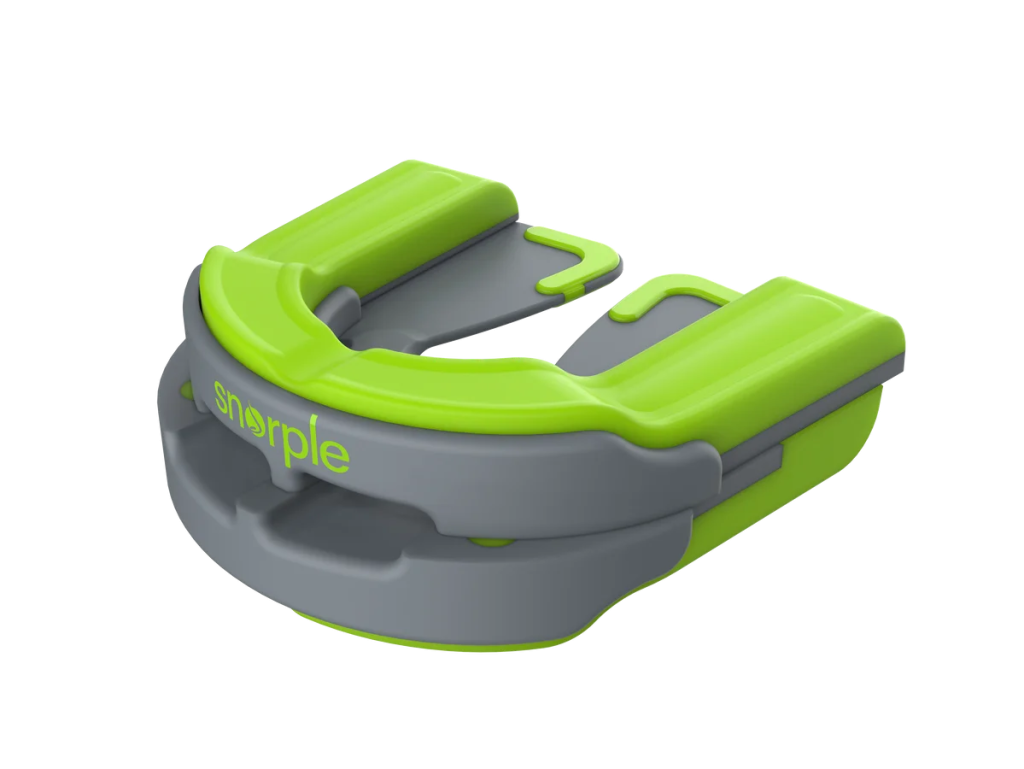
Snoring is more than a noisy sleeping habit. It can disturb the person who snores and the partner sharing the same bedroom. Poor sleep caused by repeated noise can lead to tired mornings, low energy, and frustration. Snorple is an anti-snoring product designed around an oral mouthpiece approach for people who want to reduce nighttime snoring.
A better night’s sleep can make a difference in mood, focus, energy, and relationships. While occasional snoring can be common, loud or regular snoring may sometimes point to a breathing problem. Understanding the possible causes and available options can help people choose a suitable approach.
What Is Snorple?
Snorple is an anti-snoring mouthpiece designed to help keep the airway more open during sleep. Its current product uses a combination of mandibular advancement and tongue stabilization, with an adjustable design intended to help users find a comfortable position.
The basic idea behind an oral device is simple. A mouthpiece can help change the position of the lower jaw or tongue so the airway is less likely to become narrow during sleep. Oral appliances are also used in medical sleep care for some people with obstructive sleep apnea, although a consumer anti-snoring device should not be treated as a replacement for medical diagnosis or prescribed treatment.
How a Snoring Mouthpiece Works
A Snoring mouthpiece works inside the mouth while a person sleeps. Mandibular advancement devices move the lower jaw forward, which can help create more space in the upper airway. This may reduce the vibration of soft tissues that produces snoring.
Some devices also focus on tongue position. When the tongue moves backward during sleep, it can contribute to airway narrowing. A device that helps maintain a forward tongue or jaw position may therefore reduce some types of snoring. The exact effect can vary from person to person.
Snorple and Better Sleep Quality
Snoring can interrupt sleep for both people in a bedroom. Even when the person who snores does not fully wake up, repeated noise and breathing disturbances can make the night feel less restful. A quieter sleeping environment may help couples maintain more consistent sleep routines.
Snorple is designed for nighttime use, with a custom boil-and-bite fitting process and adjustable positions. The goal is to create a fit that stays comfortable while helping address the jaw and tongue positions associated with some forms of snoring. Users should follow the product instructions and stop using it if they experience significant discomfort.
Why Couples Often Struggle With Snoring
Snoring can become a shared sleep problem. One partner may fall asleep normally while the other remains awake because of loud or repeated sounds. Over time, this can lead to separate sleeping arrangements, daytime tiredness, and frustration between partners.
Reducing snoring can therefore be about more than the person making the noise. Better nighttime conditions can give both partners a better opportunity to sleep. However, couples should also remember that persistent loud snoring may need medical attention rather than only an anti-snoring product.
Snoring Mouthpiece vs. CPAP
CPAP is one of the most established treatments for obstructive sleep apnea. It uses pressurized air delivered through a mask to help keep the airway open during sleep. Medical sources generally consider CPAP highly effective, particularly for people with moderate or severe obstructive sleep apnea.
A Snoring mouthpiece works differently. Instead of using air pressure, an oral device changes the position of structures in the mouth and upper airway. Oral appliances may be an option for some people with mild to moderate obstructive sleep apnea or for people who cannot tolerate CPAP, but they are not equally suitable for everyone.
CPAP Alternatives for Snoring and Sleep Apnea
People looking for CPAP alternatives have several options, but the right choice depends on why breathing is disrupted. Oral appliances are one option, while other approaches may include positional therapy, lifestyle changes, different types of positive airway pressure, or medical procedures.
For simple snoring without sleep apnea, lifestyle changes can sometimes help. Sleeping on the side instead of the back, maintaining a healthy weight when appropriate, treating nasal congestion, avoiding alcohol close to bedtime, and getting enough sleep may reduce snoring for some people.
When an Oral Mouthpiece May Make Sense
An oral mouthpiece may appeal to people who want a compact option that does not require a bedside machine or mask. It can also be convenient for people who travel because it takes up much less space than traditional PAP equipment.
However, comfort and fit matter. Jaw discomfort, dry mouth, excess saliva, or facial discomfort can occur with oral appliances. People with dental problems, jaw concerns, or diagnosed sleep apnea should discuss the option with an appropriate healthcare professional before relying on a mouthpiece.
Snorple for Different Sleeping Positions
Sleeping position can influence snoring. Many people snore more when lying on their backs because the tongue and other soft tissues can move toward the back of the throat. Side sleeping may reduce this effect for some people.
Snorple is promoted as an adjustable mouthpiece that can be used by people with different sleeping habits. Its design allows users to adjust the amount of jaw advancement rather than using one fixed position. Starting with a lower setting and adjusting gradually may make the transition more comfortable.
Using a Snoring Mouthpiece Comfortably
Getting used to an oral device can take time. A person may notice pressure around the teeth or jaw during the first few nights because the mouth and jaw are adjusting to a new sleeping position. Gradual adjustment can help some users become more comfortable.
Cleaning is also important. Snorple recommends rinsing the device with cool water after use and cleaning it regularly with a soft toothbrush and mild cleaner. Hot water should be avoided because it can change the shape of thermoplastic material.
When Snoring May Need Medical Attention
Not all snoring is harmless. Loud, frequent snoring can sometimes occur with obstructive sleep apnea, especially when it happens along with gasping, choking, breathing pauses, morning headaches, or strong daytime sleepiness. These signs should not be ignored.
A sleep study or other medical evaluation may be needed to determine whether sleep apnea is present. If someone has already been diagnosed with sleep apnea, they should not stop prescribed CPAP or another treatment simply because an anti-snoring product seems easier to use. Treatment decisions should be made with a healthcare professional.
Improving Sleep for Both Partners
Good sleep is important for both people in a relationship. When snoring repeatedly wakes a partner, the problem can affect energy and patience during the day. Creating a quieter bedroom may help couples develop a more consistent sleep routine.
A practical approach can combine healthy sleep habits with the right solution for the cause of snoring. Side sleeping, keeping a regular bedtime, managing nasal congestion, limiting alcohol before bed, and using an appropriate anti-snoring device may all be useful depending on the person’s situation.
Choosing the Right Anti-Snoring Solution
There is no single solution that works for every snorer. Some people may benefit from lifestyle changes, while others may need an oral appliance, CPAP, or another medical treatment. The most important step is understanding whether the problem is simple snoring or part of a larger sleep disorder.
For people exploring an oral option, Snorple offers a compact approach based on jaw advancement and tongue stabilization. Anyone interested in learning more about the product can explore snorple.com and compare its features with other available options. People with suspected or diagnosed sleep apnea should speak with a healthcare professional before changing treatment.